

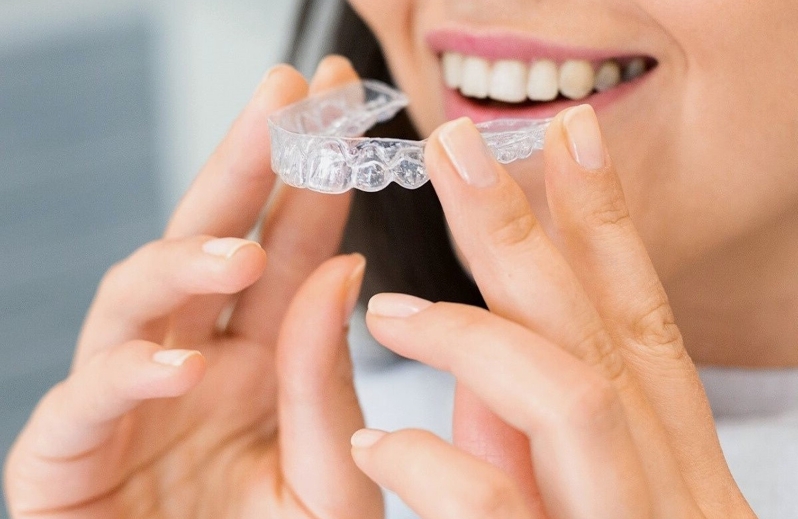
You want a straight smile. You also want clear facts. Invisalign® can help, but many people hear myths that create doubt, fear, and delay. Some say clear aligners only fix small problems. Others claim treatment always hurts or takes longer than braces. None of that tells the full story.
This blog cuts through six common myths so you can decide with confidence. You will see what Invisalign® can and cannot do. You will learn what treatment feels like day to day. You will also understand how cost, time, and care really work.
Your smile affects how you speak, work, and connect with others. Honest information helps you protect that. If you are thinking about clear aligners or already wear them, you deserve clear answers. firewheel dentistry garland tx hears these same fears from patients every week. You are not alone.
Myth 1: Invisalign® only fixes small or “easy” problems
Many people think Invisalign® only works for tiny gaps or one crooked tooth. That is false. Invisalign® can treat a wide range of bite problems.
Common issues that Invisalign® can help include
- Crowded teeth
- Spaces between teeth
- Overbite
- Underbite
- Crossbite
- Open bite
The key is not the brand. The key is the plan your dentist or orthodontist designs. You need an exam, photos, and often x rays. The National Institute of Dental and Craniofacial Research explains that tooth movement is safe when a trained professional guides it.
In some complex cases you may still need braces or other tools. You deserve an honest talk about your options. Ask what Invisalign® can do for your exact bite. Ask what it cannot do. Clear limits protect your health.
Myth 2: Invisalign® always hurts more than braces
Any tooth movement can cause soreness. Your teeth shift through bone. That pressure can feel tender for a few days when you start or switch to a new set of trays.
Here is what most people report
- Mild pressure in the first 24 to 72 hours with a new aligner
- Soft tissue rubbing where the tray touches cheeks or tongue
- Then steady comfort once you adjust
Many patients say Invisalign® feels smoother than metal. There are no metal brackets that rub. You can also remove trays to clean your mouth. That reduces sore spots for many people.
You can manage soreness with
- Cool water
- Soft foods during the first day with a new tray
- Over the counter pain medicine if your doctor says it is safe
Discomfort should be short. Sharp or lasting pain is not normal. Reach out to your dentist if you feel that. Pain is a warning, not a price you must pay.
Myth 3: Invisalign® takes longer than braces
Time depends on your teeth, not the brand of treatment. Both braces and Invisalign® rely on steady, planned pressure. Some Invisalign® cases are faster. Some are slower. Many are about the same.
Typical Treatment Time Comparison
| Treatment type | Mild cases | Moderate cases | Complex cases |
|---|---|---|---|
| Invisalign® | 6 to 12 months | 12 to 18 months | 18 months or more |
| Traditional braces | 6 to 12 months | 12 to 24 months | 24 months or more |
These are general ranges, not promises. You must also wear aligners 20 to 22 hours every day. If you take them out too often, treatment slows. Braces stay on your teeth, so they work even when you forget.
Ask your dentist for a clear time range. Ask what could speed or delay your case. Honest planning lowers stress and helps you stay on track.
Myth 4: Invisalign® costs much more than braces
Many people fear that clear trays always cost more. That is not always true. Cost depends on
- How complex your bite is
- How long treatment takes
- Your region and clinic
- Your insurance plan
Typical Cost Ranges in the United States
| Treatment type | Estimated total cost |
|---|---|
| Invisalign® | $3,000 to $7,000 |
| Traditional braces | $3,000 to $7,500 |
Many dental plans cover aligners like braces. The HealthCare.gov site explains that some plans include orthodontic care for children and sometimes for adults.
Ask your office to check your benefits. Ask for a written quote. Ask about payment plans. Money stress is real. Clear numbers can ease that weight.
Myth 5: You can eat and drink anything with trays in
This myth can damage your teeth. You must remove Invisalign® trays for all eating. You should only drink cool or room temperature water when trays are in.
Food and drinks can
- Stain trays and teeth
- Trap sugar and acid against enamel
- Warp trays if the drink is hot
Here is a simple routine
- Take trays out to eat or drink anything except water
- Rinse your mouth or brush if possible
- Rinse trays with cool water
- Put trays back in right away
You protect your teeth and stay closer to 22 hours of wear. That supports both health and progress. You also keep trays clear so they stay hard to see.
Myth 6: Invisalign® does not need checkups
Some people think clear trays mean “set it and forget it.” That is unsafe. Teeth move inside bone. You need steady checkups so your dentist can confirm safe movement.
During visits your dentist will
- Check how your teeth and gums respond
- Look for decay or gum disease
- Confirm that trays fit well
- Adjust your plan if teeth move slower or faster than expected
Skipping visits can lead to bite problems or root damage that you cannot see at home. You deserve close follow up. You also deserve time to ask questions and share any worries.
How to decide if Invisalign® is right for you
Clear aligners are one tool. They are not the only tool. A strong choice rests on three steps
- Get a full exam and honest diagnosis
- Compare Invisalign® and braces for your exact case
- Review cost, time, and daily care needs
Ask these questions during your visit
- What are my main bite problems
- Can Invisalign® treat all of them
- How long will it take
- What will it cost with my insurance
- How often will I need checkups
- What could go wrong if I do not follow the plan
You deserve clear, direct answers. You also deserve respect for your budget, time, and fears. With facts instead of myths, you can choose a path that protects your health and your peace of mind.