

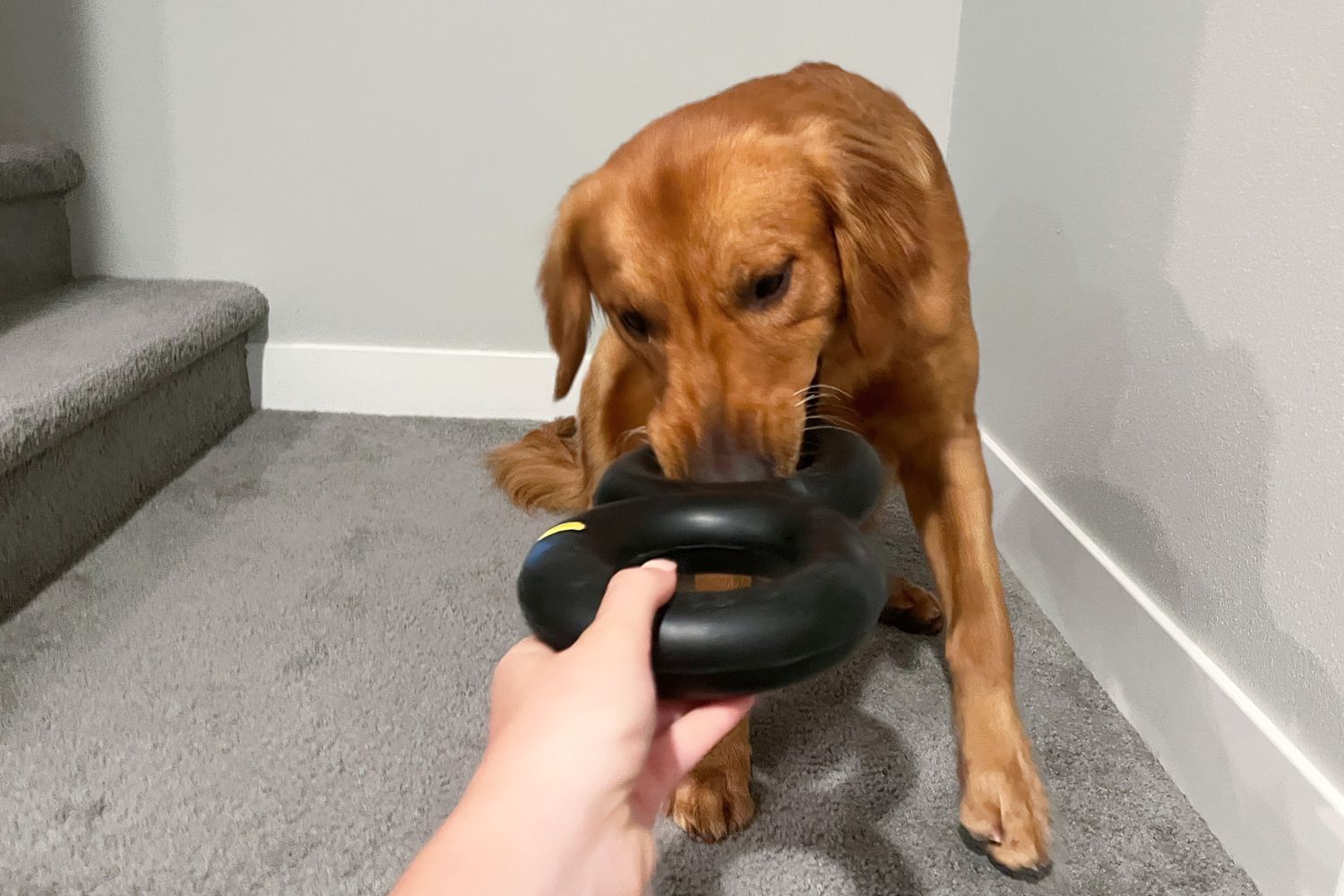
Some dogs don’t simply play with toys. They destroy them within minutes. If you’ve ever watched your dog tear through a chew toy, rip apart plush stuffing, or crack weaker products in record time, you already know the struggle of owning an extreme chewer.
Strong chewers require more than regular dog toys. They need durable enrichment toys designed to handle aggressive chewing while still keeping them mentally engaged. Choosing the wrong toy shape often leads to frustration, wasted money, and unsafe chewing habits around the house.
Many dog owners focus only on material strength, but shape matters just as much. The right dog chew toy shape changes how dogs grip, chew, lick, carry, and interact with enrichment products. Some shapes work better for heavy chewers, while others support slower licking, mental stimulation, or longer engagement sessions.
Finding the best chew toy for aggressive chewers starts with understanding your dog’s chewing style, energy level, and instincts.
What Makes a Dog an Extreme Chewer?
Not all dogs chew the same way. Some dogs nibble gently, while others attack toys with full force.
Signs Your Dog Is an Aggressive Chewer
Extreme chewers often:
- Destroy toys quickly
- Rip apart plush toys within minutes
- Chew furniture or wooden objects
- Bite down with intense jaw pressure
- Constantly search for things to chew
- Become bored with weak toys fast
Breeds like Labradors, Golden Retrievers, Pit Bulls, German Shepherds, Boxers, and Huskies often fall into this category because of their strength and energy levels.
Why Dogs Become Heavy Chewers
Chewing is natural for dogs. Aggressive chewing usually connects to:
- High energy levels
- Teething
- Stress relief
- Boredom
- Anxiety
- Mental under-stimulation
Dogs chew because it helps them release energy and stay mentally occupied. Without proper chew toys, many dogs redirect those instincts toward furniture, shoes, or household items.
Why Toy Shape Matters for Aggressive Chewers
Many owners focus only on toughness, but shape changes how long dogs stay engaged with a toy.
Different Shapes Create Different Challenges
Some toy shapes encourage:
- Longer licking sessions
- Slower chewing
- Better grip control
- Increased problem-solving
- Extended mental stimulation
A poorly designed shape often loses a dog’s interest quickly or becomes too easy to destroy.
Shape Affects Safety and Durability
The right shape distributes chewing pressure more evenly. This helps durable dog toys survive longer against strong jaws.
Shapes with awkward angles, ridges, grooves, or stuffing areas also create more mental engagement compared to flat chew surfaces.
Bone-Shaped Chew Toys: Best for Classic Power Chewers
Bone-shaped dog toys remain one of the most popular options for aggressive chewers.
Why Dogs Love Bone Shapes
Dogs naturally understand how to hold bone-shaped toys with their paws while chewing steadily. The design supports instinctive chewing behavior and gives dogs better grip control.
Bone shapes work especially well for:
- Labradors
- Golden Retrievers
- German Shepherds
- Boxers
These dogs often enjoy strong chewing sessions that involve holding toys firmly between their front paws.
Bone Shapes Encourage Longer Chewing Sessions
Because dogs grip bone shapes comfortably, they often stay engaged longer. Extended chewing sessions help reduce boredom and support calmer indoor behavior.
Bone-shaped frozen enrichment toys also hold fillings effectively for longer-lasting licking activities.
Round and Ball-Shaped Toys: Best for Active Destroyers
Some dogs enjoy movement as much as chewing.
Ball Shapes Add Unpredictability
Round dog toys bounce, roll, and shift direction unexpectedly. This creates physical and mental stimulation together.
Dogs who enjoy chasing, pouncing, and carrying toys often stay interested longer when toys move unpredictably.
Best for High-Energy Dogs
Ball-shaped enrichment toys work especially well for:
- Retrievers
- Huskies
- Border Collies
- Young energetic dogs
These shapes combine exercise with chewing and problem-solving.
Hollow Enrichment Toys: Best for Food-Motivated Dogs
Food-driven dogs often engage longer with toys that include treat compartments.
Stuffable Toys Increase Mental Stimulation
Hollow enrichment toys hold frozen treats, wet food, peanut butter, yogurt, or kibble inside. Dogs must lick, chew, and problem-solve to remove the rewards.
This creates much longer engagement compared to standard chew toys.
Frozen Fillings Create Calm Behavior
Freezing enrichment toys increases difficulty while promoting slower licking behavior. Licking naturally helps dogs relax and release nervous energy.
Frozen enrichment toys are especially useful for:
- Work-from-home dogs
- Puppies
- Dogs with separation anxiety
- Hyperactive dogs
Food enrichment transforms chewing into a mentally satisfying activity instead of simple destruction.
Ridged and Textured Shapes: Best for Persistent Chewers
Some dogs lose interest in smooth toys quickly.
Texture Increases Engagement
Ridged surfaces, grooves, and uneven textures create extra sensory stimulation while chewing. Dogs often spend more time exploring textured toys because the chewing experience feels different from every angle.
Textured chew toys also help support dental health by scraping teeth during chewing sessions.
Textured Toys Slow Down Aggressive Chewing
Dogs usually chew more methodically on textured toys because they need to reposition their jaws frequently. This reduces rapid destruction and extends toy lifespan.
Lick Mats and Flat Shapes: Best for Calming Enrichment
Not every aggressive chewer needs nonstop chewing pressure. Some dogs benefit more from calming licking activities.
Licking Reduces Stress
Lick mats encourage slower repetitive licking behavior, which helps dogs settle emotionally.
Many owners use lick mats during:
- Crate training
- Grooming sessions
- Thunderstorms
- Fireworks
- Work hours
- Guest visits
Licking enrichment supports relaxation and mental focus.
Flat Shapes Work Best for Frozen Treats
Flat enrichment surfaces freeze quickly and spread food evenly across textured areas. This creates longer-lasting licking sessions.
Choosing the Right Shape for Your Dog’s Personality
Every dog has unique preferences and chewing habits.
Dogs Who Love Destruction
Dogs who enjoy intense chewing pressure often prefer:
- Bone shapes
- Thick textured chew toys
- Durable rubber toys
These shapes support stronger jaw engagement.
Dogs Who Get Bored Easily
Dogs with short attention spans usually benefit from:
- Stuffable enrichment toys
- Puzzle toys
- Ball-shaped toys
- Textured surfaces
These shapes create more mental stimulation and unpredictability.
Dogs With Anxiety or Hyperactivity
Dogs who struggle with stress or overstimulation often relax more with:
- Frozen enrichment toys
- Lick mats
- Slow-feeding enrichment toys
Licking activities naturally calm the nervous system.
Rotate Toy Shapes for Better Enrichment
One of the best ways to prevent boredom is rotating different toy styles regularly.
Variety Keeps Dogs Engaged
Dogs become less interested when the same toys stay available all the time. Rotating shapes creates novelty and stronger engagement.
A healthy enrichment rotation includes:
- Chew toys
- Frozen enrichment toys
- Ball toys
- Puzzle feeders
- Lick mats
This combination supports both physical and mental stimulation.
Common Mistakes Owners Make With Extreme Chewers
Many owners accidentally encourage destructive behavior by choosing the wrong toys.
Weak Toys Create Frustration
Thin plush toys rarely survive aggressive chewers. Dogs often destroy them quickly without receiving meaningful mental stimulation.
Too Little Mental Enrichment
Exercise alone is not enough for many heavy chewers. Dogs also need problem-solving, licking, sniffing, and food-based enrichment activities.
Mental stimulation reduces destructive behavior far more effectively than physical exercise alone.
Final Thoughts
Extreme chewers need more than basic dog toys. The right chew toy shape plays a major role in keeping dogs mentally stimulated, emotionally balanced, and safely occupied indoors. Different shapes encourage different chewing styles, licking behaviors, and enrichment experiences.
Bone-shaped toys support powerful chewers, ball-shaped toys add movement and excitement, textured toys increase engagement, and frozen enrichment toys encourage calming licking behavior. Choosing the right shape depends on your dog’s personality, chewing habits, and energy levels.
When dogs receive durable enrichment toys that match their instincts, destructive behavior becomes easier to manage. A well-stimulated dog stays calmer, happier, and far less likely to destroy everything around the house.