

Most people get excited about the final wall colour. And honestly, that makes sense. Choosing shades for the living room, testing paint samples near the window, imagining how the bedroom will look after painting, that is the fun part of the process.
But ask any experienced painter what actually helps paint look smooth and last longer, and the answer usually starts much earlier than the final colour coat.
It starts with primer.
A lot of homeowners still think primer is an optional extra that can be skipped to save money. But once you understand what a good interior wall primer paint actually does, it becomes clear why professionals never ignore it.
The truth is simple. Even the best paint struggles to perform properly on an unprepared wall.
What Is Primer for Wall Painting?
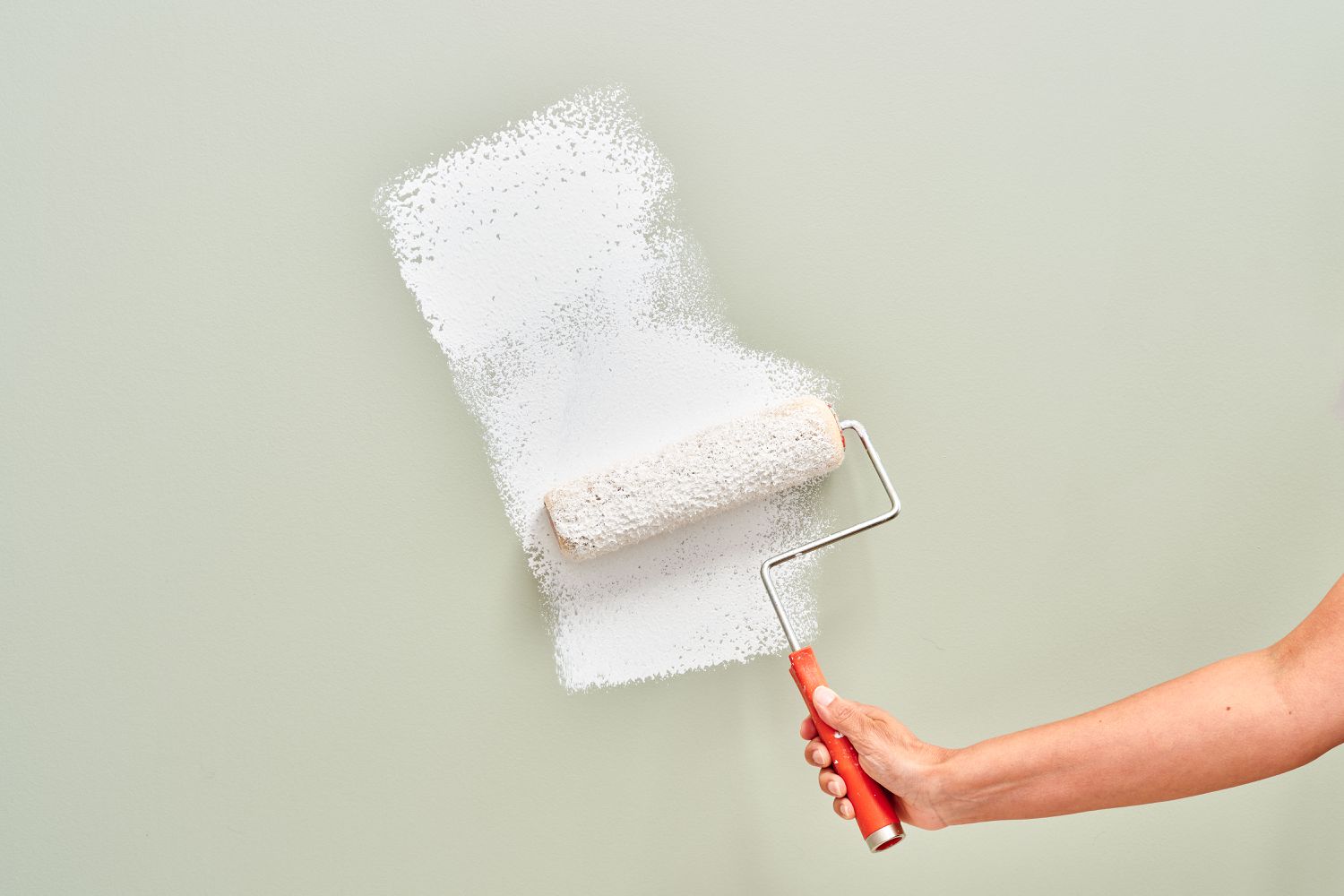
Primer is the base coat applied before paint.
Think of it as the foundation that prepares the wall surface so the paint can sit evenly and bond properly. Without primer, walls often absorb paint unevenly, which affects both finish and durability.
A good primer for wall surfaces helps:
- Improve paint adhesion
- Create smoother finishing
- Increase paint life
- Reduce patchiness
- Improve colour appearance
Primer is especially important for:
- Freshly plastered walls
- Repainting projects
- Walls with repairs
- Surfaces with stains or uneven texture
Why Primer Makes Such a Big Difference
Many homeowners only notice the final paint colour. What they often do not see is how much the primer affects the final result underneath.
Better paint finish
Primer helps create an even base across the wall surface.
Without primer, some areas absorb more paint while others absorb less. This often creates dull patches and uneven shine after painting.
A proper primer coat helps the paint spread more evenly, giving walls a cleaner and smoother appearance.
Paint colours look richer
Have you ever noticed how some wall colours look slightly different after drying?
That usually happens because the wall surface absorbs paint inconsistently.
Interior wall primer paint helps create a neutral and balanced surface underneath the paint. This allows colours to appear closer to their actual shade.
Bright colours, pastel tones, and premium finishes especially benefit from proper priming.
Paint lasts longer
Walls face daily wear without us even noticing.
Furniture brushing against corners, cleaning marks, moisture, sunlight, and dust all slowly affect painted surfaces.
A primer coat improves paint bonding, which helps reduce:
- Peeling
- Flaking
- Cracking
- Early fading
This means the walls stay fresh-looking for a longer time.
Primer Is Important for New Walls
Fresh walls absorb paint heavily because plaster surfaces are porous.
If paint is applied directly without primer, the wall absorbs a large amount of paint unevenly. This increases paint consumption and affects finishing quality.
That is why primer for wall preparation becomes extremely important in new homes.
Using primer helps:
- Seal the surface
- Reduce paint wastage
- Improve smoothness
- Strengthen paint adhesion
This creates a better foundation before the final paint coats are applied.
Repainting Projects Need Primer Too
Some homeowners assume primer is needed only for new walls.
But repainting projects often require primer as well, especially when:
- Wall colours are changing drastically
- Old paint is peeling
- Repairs were done recently
- Stains are visible
- The wall surface feels powdery
Primer helps create consistency across repaired and older sections so the final finish looks balanced.
Different Types of Interior Wall Primer Paint
Not all primers work the same way.
Different surfaces may require different primer types depending on wall condition and paint category.
Water-based primers
These are commonly used for interior walls because they:
- Dry faster
- Have lower odour
- Work well for emulsion paints
- Are easier to apply
Oil-based primers
These are stronger and useful for surfaces with stains or difficult patches.
They are commonly used for:
- Heavy stain blocking
- Moisture-prone areas
- Strong adhesion needs
Professional painters usually recommend the right primer based on wall condition.
Does Primer Help Save Paint?
Yes, it does.
One of the biggest advantages of primer is that it reduces unnecessary paint absorption.
Without primer, walls may require additional coats to achieve proper coverage.
A good primer coat helps:
- Improve paint spread
- Reduce extra coats
- Lower paint wastage
- Improve finish consistency
In many cases, primer actually helps homeowners manage painting costs more efficiently.
Surface Preparation Still Matters
Even the best primer cannot fix poor surface preparation.
Before applying primer, walls should ideally be:
- Clean
- Dry
- Dust-free
- Crack-free
- Properly sanded
Professional painters usually repair wall imperfections before starting primer application.
This preparation stage has a huge impact on the final wall appearance.
Common Mistakes Homeowners Make
Many painting problems happen because of shortcuts during the preparation stage.
Some common mistakes include:
- Skipping primer completely
- Applying paint before primer dries properly
- Using low-quality primer
- Ignoring wall moisture issues
- Applying uneven primer coats
These small mistakes often affect the final paint finish more than people realise.
Is Primer Necessary for Every Room?
In most cases, yes.
Primer is especially important in:
- Living rooms
- Bedrooms
- Hallways
- Kitchens
- Newly constructed homes
For areas with moisture exposure, proper primer and surface treatment become even more important.
Professional painters usually assess wall condition before deciding the number of primer coats required.
Final Thoughts
Good wall painting is not only about choosing beautiful colours. The real difference often comes from what happens underneath the final coat.
Interior wall primer paint plays a major role in helping walls look smoother, cleaner, and more durable over time. Whether you are painting a new home or refreshing old walls, primer helps create a stronger and better-looking finish.
A proper primer coat may not be the most visible part of the painting process, but it is often the reason beautiful walls continue looking fresh long after the painting work is complete.