

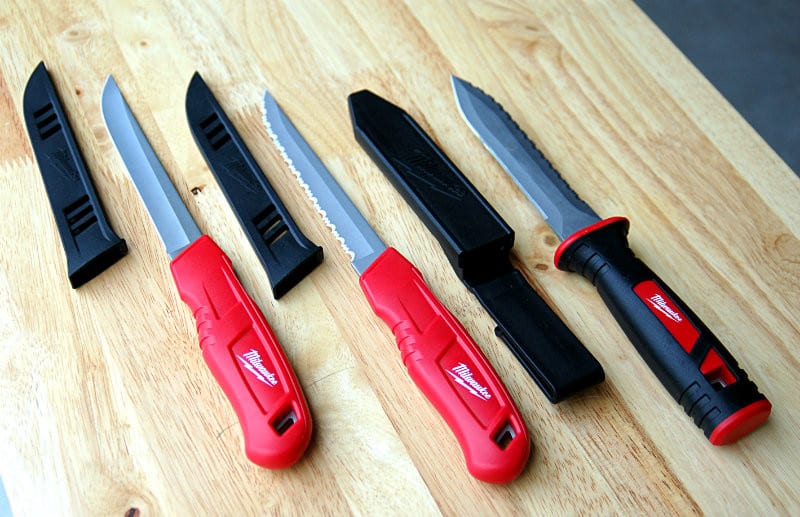
A duct knife is an essential tool for any homeowner or professional who regularly works with HVAC systems. It is used to cut through the metal ducts that are used to transport air in and out of the home. Duct knives are designed to be lightweight, durable and easy to use, making them a great choice for any HVAC job. In this article, we’ll discuss the benefits of a duct knife, features of a good duct knife, and the top picks for best duct knife.
What is a Duct Knife?
A duct knife is a special type of knife used for cutting through ductwork. It has a blade that is specifically designed for cutting through metal ducts and is usually made of carbon steel or stainless steel. Duct knives are usually fitted with a comfortable handle and a safety guard to prevent accidents.
Benefits of a Duct Knife
Using a duct knife has many advantages over using a standard knife. The blade of a duct knife is designed to be sharper and more durable than a standard knife, making it easier to cut through metal ducts. It also has a safety guard to prevent accidental cuts. Additionally, a duct knife is usually lightweight, making it easier to maneuver around tight spaces.
Features of a Good Duct Knife
When looking for a good duct knife, there are several features to consider. It should be made of durable materials such as carbon steel or stainless steel. It should also have a comfortable handle and a safety guard. Additionally, the blade should be sharp and able to cut through metal ducts easily.
Top Picks for Best Duct Knife
There are several duct knives on the market, but these are our top picks for best duct knife. The Milwaukee 48-22-1510 is a great choice for any HVAC job. It has a stainless steel blade and a comfortable handle. The Klein Tools 1418 is another great option, with a carbon steel blade and a safety guard. The Irwin Tools 1873209 is also a great choice, with a sharp carbon steel blade and a comfortable handle.
Considerations Before Buying
When buying a duct knife, there are a few things to consider. First, consider the material of the blade. Carbon steel blades are usually sharper and more durable than stainless steel blades, but stainless steel blades are usually more corrosion-resistant. Additionally, consider the handle and safety guard. The handle should be comfortable to use and the safety guard should be easy to engage and disengage.