

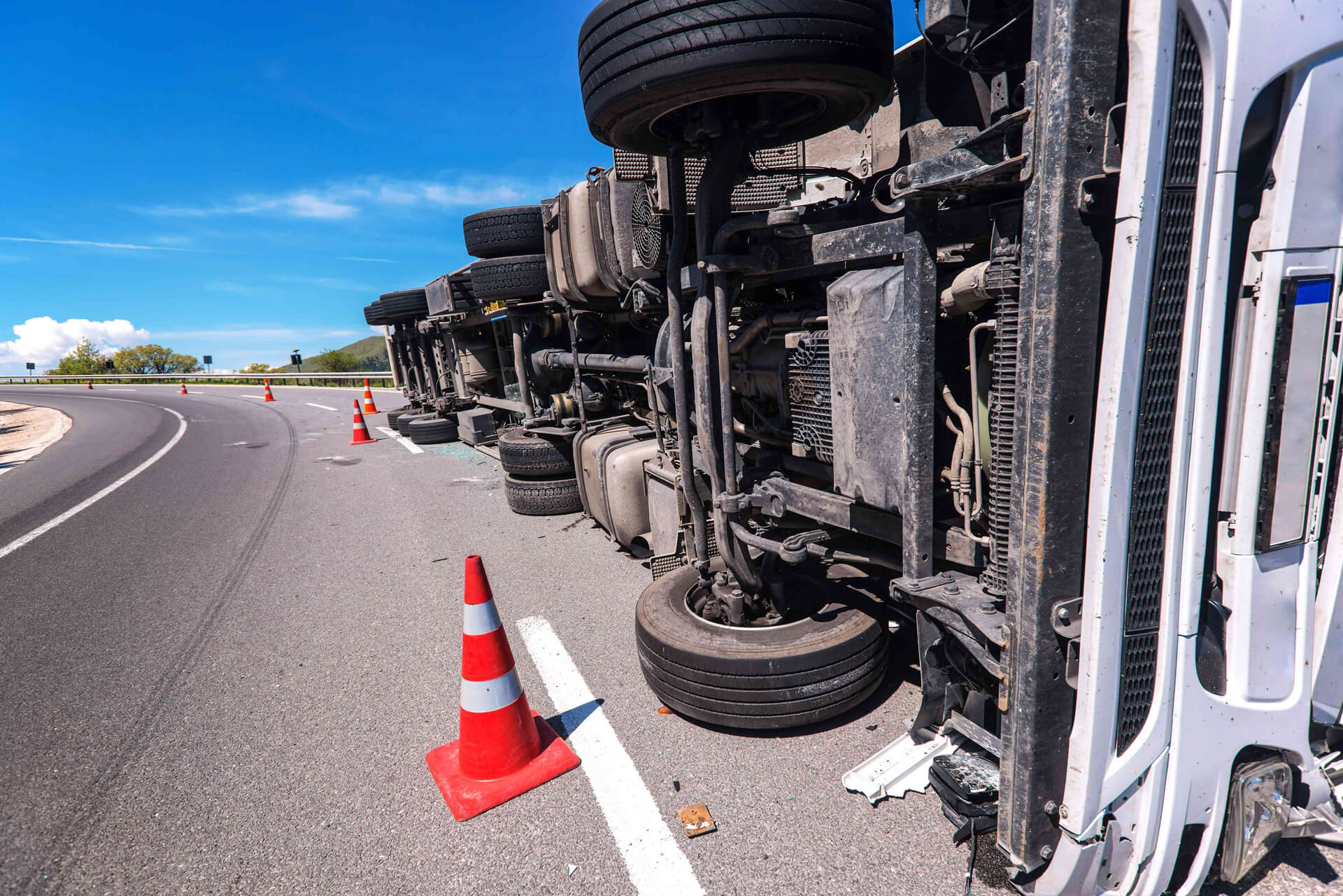
Truck accidents in Pensacola can lead to devastating consequences, from severe injuries to significant financial burdens. With the city’s busy highways and commercial traffic, these incidents often involve complex legal and insurance issues. Understanding liability and compensation is crucial for anyone impacted by such accidents.
Victims of truck accidents may face challenges navigating the legal system while dealing with medical bills and lost wages. Knowing their legal rights and the steps to take can make a significant difference in securing fair compensation. Whether it’s determining fault or negotiating with insurance companies, the process requires careful attention and expertise.
Why Truck Accidents Are More Complicated Than Car Accidents
Truck accidents involve more significant legal and logistical challenges compared to car accidents. The size and weight of commercial trucks amplify the severity of damage and injuries, leading to higher financial stakes. Additionally, these cases often require dealing with federal regulations and multiple parties.
Involvement of Multiple Parties
Commercial truck accidents typically involve several liable entities, such as trucking companies, drivers, cargo loaders, and vehicle manufacturers. For instance, a trucking company might be liable for poor vehicle maintenance, or cargo loaders might share responsibility for improper loading. These layers of liability require thorough investigation and evidence collection.
Federal and State Regulations
Trucking operations must comply with federal and state rules, such as hours-of-service (HOS) regulations set by the Federal Motor Carrier Safety Administration (FMCSA). Determining if a driver or company violated these regulations complicates the claim. Compliance records and electronic logging devices (ELDs) often play a critical role in proving negligence.
Complex Evidence and Investigation
Truck accident cases demand extensive evidence, including maintenance logs, black box data, and accident reconstruction reports. Unlike car accidents, securing this evidence requires attorneys to coordinate with experts and subpoena company records. This process can be time-consuming and challenging for victims.
Insurance Complications
Commercial trucking policies often carry higher limits, but insurers aggressively defend claims to protect their financial interests. Victims must prove fault and quantify damages, which includes medical expenses, lost wages, and future care needs. Without support from experienced professionals, navigating these negotiations becomes overwhelming.
Experienced legal representation, like that offered by Michles & Booth or other Truck Accident Attorneys in Pensacola, is often key to handling these complexities.
Determining Liability: The Role of Trucking Companies
Trucking companies often play a central role in determining liability for accidents involving commercial vehicles. They are responsible for hiring qualified drivers, maintaining vehicles, and ensuring compliance with federal regulations like the Federal Motor Carrier Safety Administration (FMCSA) standards. If a trucking company fails to meet these obligations, it may be held liable for damages caused by an accident.
Negligent hiring practices can contribute to liability if a company employs drivers with poor safety records, inadequate training, or revoked licenses. For example, if a driver involved in an accident has a history of reckless behavior and the company overlooked those records, the trucking company could share responsibility for the crash.
Inadequate vehicle maintenance is another critical factor. Commercial trucks require routine inspections and adherence to repair schedules per FMCSA regulations. If neglected, mechanical failures such as brake malfunctions or tire blowouts can result in severe accidents. In such cases, liability may shift to the company for not maintaining safe operating conditions.
Trucking companies may also pressure drivers to violate hours-of-service rules to meet deadlines, leading to fatigue-related accidents. Federal law limits the maximum hours a driver can work, requiring rest periods to prevent drowsy driving. A company forcing or incentivizing drivers to exceed these limits can be held accountable for resulting crashes.
Experienced legal representatives, such as the Truck Accident Attorneys in Pensacola at Michles & Booth, can help uncover evidence of company negligence. Evidence like maintenance logs, driver records, and internal communications can establish the trucking company’s role in contributing to the accident.
Federal and State Trucking Regulations That Affect Your Case
Federal and state trucking regulations play a critical role in determining liability in Pensacola truck accident cases. Compliance with these regulations is required to prevent accidents and ensure public safety. Failure to adhere to rules often forms the basis of negligence claims.
Federal Motor Carrier Safety Regulations (FMCSRs)
The FMCSRs govern many aspects of commercial trucking. Key provisions include hours-of-service (HOS) rules, vehicle maintenance requirements, and driver qualification standards. For example, HOS rules limit driving hours to reduce fatigue-related crashes. When drivers or companies violate these limits, resulting accidents can lead to liability.
Maintenance regulations require vehicles to be inspected and repaired regularly. Poor maintenance records or mechanical failures, such as brake malfunctions, can be evidence of non-compliance. Driver qualifications, including proper licensing and medical certification, also influence liability if an unqualified driver is involved in an accident.
Florida State Trucking Laws
Florida supplements federal regulations with state-specific requirements. These include additional weight and size restrictions and intrastate operating rules. Trucking companies operating solely within Florida must comply with these laws, which can be pivotal in Pensacola accident claims. Violations like exceeding weight limits or unsafe operation on state roads may establish a breach of duty in liability assessments.
Evidence Impacted By Regulations
Regulatory non-compliance often leaves a paper trail, such as falsified driving logs or missing maintenance records. This evidence is key to proving negligence in truck accident cases. Attorneys, such as those from Michles & Booth, examine this documentation to identify violations. They also analyze black box data, driver logs, and inspection reports to determine if federal or state standards were breached.
The Role of Regulations in Legal Strategy
Understanding these regulations allows attorneys to build stronger cases for their clients. Non-compliance demonstrates negligence, which can simplify the process of proving liability. In Pensacola, Truck Accident Attorneys in Pensacola often focus on these violations to hold responsible parties accountable for damages. Regulatory frameworks shape the approach to lawsuits and negotiations, ensuring fair compensation for victims.
Proper adherence to federal and state trucking regulations profoundly influences the outcome of a truck accident case.
Types of Compensation Available for Truck Accident Victims
Truck accident victims in Pensacola can pursue various forms of compensation to address the financial, physical, and emotional damages caused by the incident. Compensation typically covers losses directly related to the accident.
Medical Expenses
Victims often claim reimbursement for medical costs, including emergency care, surgeries, hospital stays, medication, physical therapy, and future treatments related to the injuries. For example, severe injuries like spinal cord damage or traumatic brain injury may require long-term medical care.
Lost Wages and Future Earnings
Compensation can include payment for income lost during recovery and reduced future earning capacity if injuries prevent returning to the same role or profession. For instance, if a truck driver sustains debilitating injuries, they might seek compensation for their inability to resume driving commercially.
Pain and Suffering
Non-economic damages aim to compensate for physical pain, emotional distress, and loss of quality of life. These damages often account for both the immediate and long-term impacts of injuries on a victim’s mental well-being.
Property Damage
Truck accidents commonly cause significant damage to vehicles and other personal property. Victims may receive compensation for repairs or the replacement of totaled vehicles and other belongings affected in the crash.
Punitive Damages
In cases of gross negligence, such as reckless driving, driving under influence, or intentional violations of safety regulations, courts may award punitive damages to penalize the negligent party and deter similar behavior.
Miscellaneous Expenses
Additional out-of-pocket costs, such as transportation to medical appointments or expenses for necessary home modifications, can also qualify for reimbursement. These expenses must be directly tied to the accident’s consequences.
Assistance From Legal Representatives
Truck accident attorneys in Pensacola, such as Michles & Booth, assist victims in identifying all potential sources of compensation. They analyze complex trucking cases to ensure victims are compensated for every form of damage incurred. Skilled attorneys often negotiate with insurers or take cases to court to secure fair damages, especially when commercial trucking policies are involved.
Challenges in Negotiating with Trucking Insurance Companies
Trucking insurance companies aggressively protect their financial interests. They often employ teams of adjusters and attorneys trained to minimize or deny claims. These companies might delay claim processing, dispute liability, or offer low settlements to pressure victims into accepting less compensation than they deserve.
Large commercial insurance policies create additional hurdles in negotiations. Policies for trucking companies typically carry higher limits than standard auto insurance, making insurers more likely to fight claims aggressively. These policies often involve intricate terms, requiring claimants to have a clear understanding of their rights and the compensation they may be entitled to.
Evidence disputes can arise during negotiations. Insurers often challenge evidence like black box data, maintenance records, or driver logs to undermine a claimant’s case. Without legal expertise, victims might struggle to authenticate or present critical evidence effectively.
Federal and state regulations intensify negotiation complexities. Insurers may argue compliance with Federal Motor Carrier Safety Regulations (FMCSRs) or Florida-specific trucking laws to deflect liability, even when violations contributed to the accident. Disproving such claims requires thorough legal knowledge and expertise.
Victims benefit from experienced truck accident attorneys in Pensacola, such as Michles & Booth, during these negotiations. These attorneys understand the tactics insurers employ and possess the skills to counteract lowball settlement offers, ensuring victims fight for full compensation for their injuries and losses.
How a Truck Accident Lawyer Can Help Your Case
Truck accidents in Pensacola present unique legal challenges that require specialized knowledge and experience. A skilled attorney can investigate the accident, gather crucial evidence, and identify all liable parties to build a strong case. They can also navigate complex insurance negotiations and ensure victims aren’t shortchanged by aggressive insurers.
By leveraging their understanding of federal and state trucking regulations, attorneys can uncover regulatory violations and establish negligence. This expertise is essential for securing fair compensation for medical bills, lost wages, and other damages.
Victims facing the aftermath of a truck accident shouldn’t handle these challenges alone. An experienced truck accident lawyer can provide the guidance, advocacy, and resources needed to protect their rights and achieve the best possible outcome.