

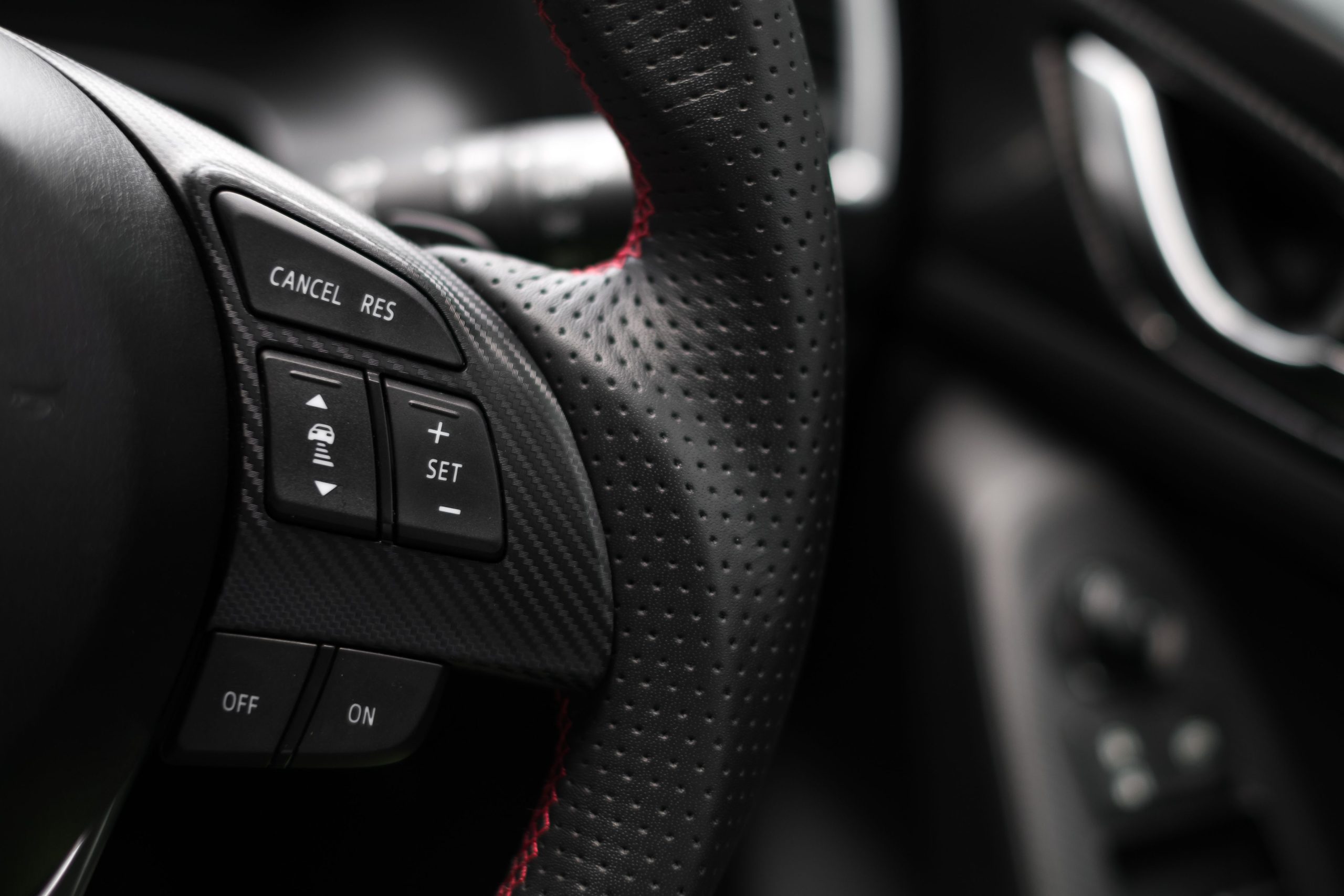
Adaptive cruise control is an advanced driver assistance system that allows a vehicle to autonomously maintain a safe distance from the vehicle in front of it. Aftermarket adaptive cruise control is an affordable and convenient way to add this technology to a car that does not already have it. In this article, we will explore what aftermarket adaptive cruise control is, how it works, the benefits, installation, cost and safety considerations.
What is Aftermarket Adaptive Cruise Control?
Aftermarket adaptive cruise control is an aftermarket system that can be installed in a vehicle that does not have adaptive cruise control as a standard feature. It uses radar sensors to detect and monitor the distance between the car and the vehicle in front of it and adjusts the speed of the car accordingly. This allows the car to maintain a safe and consistent speed without the driver having to constantly adjust the speed manually.
How Does Adaptive Cruise Control Work?
Adaptive cruise control uses radar sensors mounted on the front of the car to detect the speed and distance of the vehicle in front of it. The system then automatically adjusts the speed of the car to maintain a safe distance from the vehicle in front of it. If the car in front slows down, the system will also slow down the car to maintain a safe distance. If the car in front speeds up, the system will also speed up the car to maintain a safe distance.
Benefits of Adaptive Cruise Control
The main benefit of adaptive cruise control is that it makes driving more comfortable and less stressful. It eliminates the need for the driver to constantly adjust their speed manually, allowing them to relax and enjoy the drive. It also helps to improve fuel efficiency by maintaining a consistent speed, which can result in significant savings over time.
Installing Adaptive Cruise Control
Installing aftermarket adaptive cruise control is relatively straightforward and can be done at home or by a professional. The installation process involves mounting the radar sensors, connecting the system to the car’s electrical system and calibrating the system. It is important to ensure that the system is properly installed and calibrated to ensure that it works correctly.
Cost of Aftermarket Adaptive Cruise Control
The cost of aftermarket adaptive cruise control systems varies depending on the make and model of the car. Generally, systems range from $300 to $1,000, with higher-end systems costing more. It is important to compare prices to ensure you get the best value for your money.
Safety Considerations for Adaptive Cruise Control
Although adaptive cruise control is designed to make driving safer,